
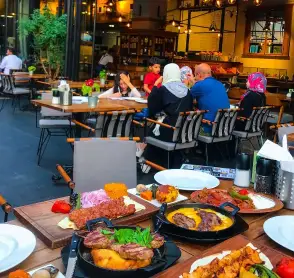
Treat your taste buds to the ideal culinary experience in Dubai. Travel the world at Ibn Battuta Mall with a variety of international cuisines.
Restaurants A-Z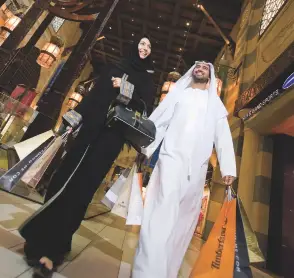
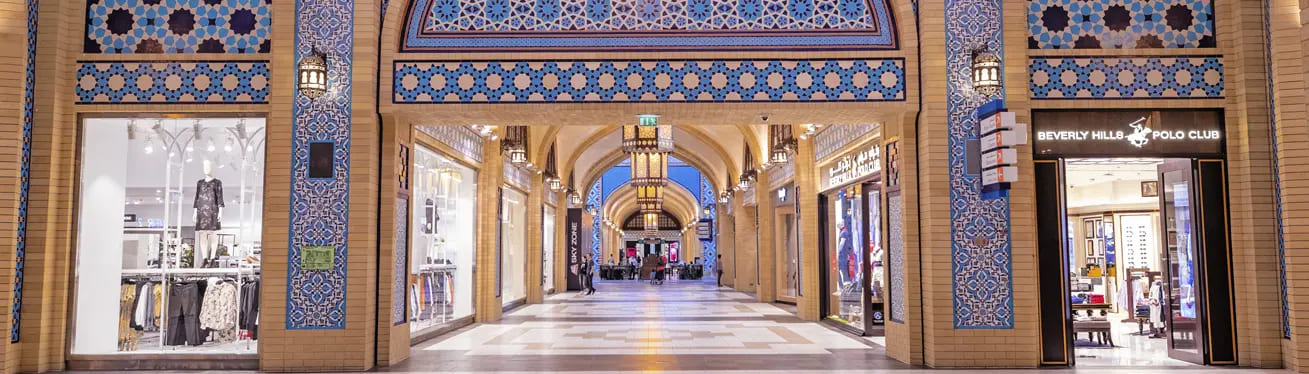
Head to Ibn Battuta Mall in Dubai for the ideal shopping experience. Discover a wide selection of department stores, fashion stores, specialty stores, and more.
Store A-Z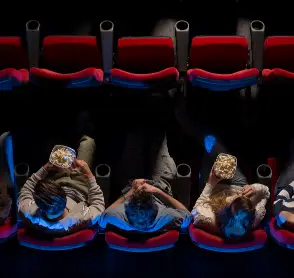
Looking for something fun to do this weekend? Ibn Battuta Mall has something for everyone. You can watch a movie, go bowling, and much more.
Entertainment A-Z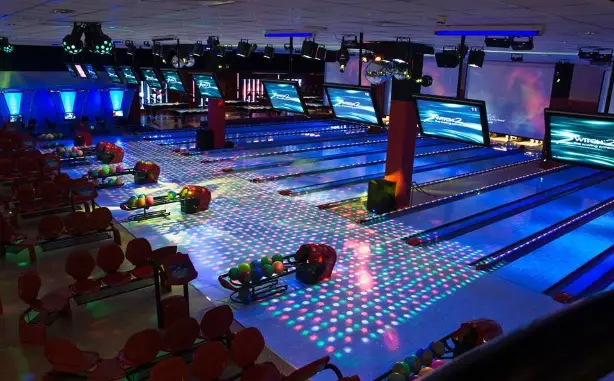
Switch Bowling Dubai is the very embodiment of Ibn Battuta Mall’s status as an all-round family entertainment centre. A game that revolves around speed, sport and style, Switch Bowling is a fine blend of state-of-the-art technology and Italy’s elegant design skills. With plenty of seating options, big screens, elaborate lighting and musical systems, it promises a great evening for anyone.
Discover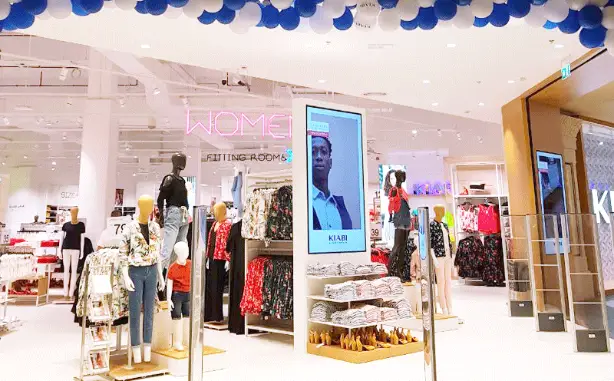
KIABI revolutionised ready-to-wear clothing by inventing the first concept of affordable fashion for
the whole family in France in 1978.
Now an international fashion brand, KIABI is present in 15
countries, and is bringing its fun and trendy styles to the UAE for the very first time.
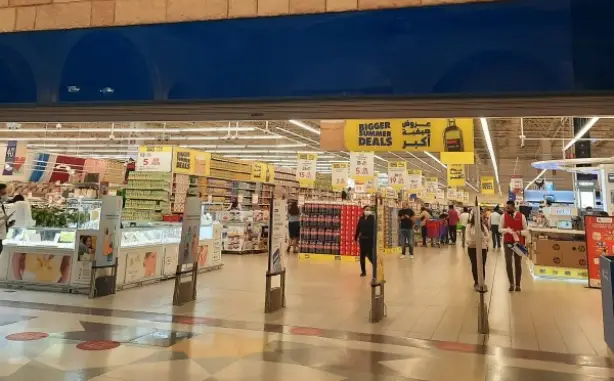
Carrefour is one of Dubai’s most trusted retail supermarkets offering an endless array of home essentials, groceries and more. It is always our effort to ensure that you receivethe most varied selection of household goods, electronics, and home appliances. We also offer affordable clothing, stationery, toys, furniture, dinnerware, utensils, garden equipment and all you need in and around your home. We also have great discounts and deals on premium brands all year round.
Discover




.jpg)